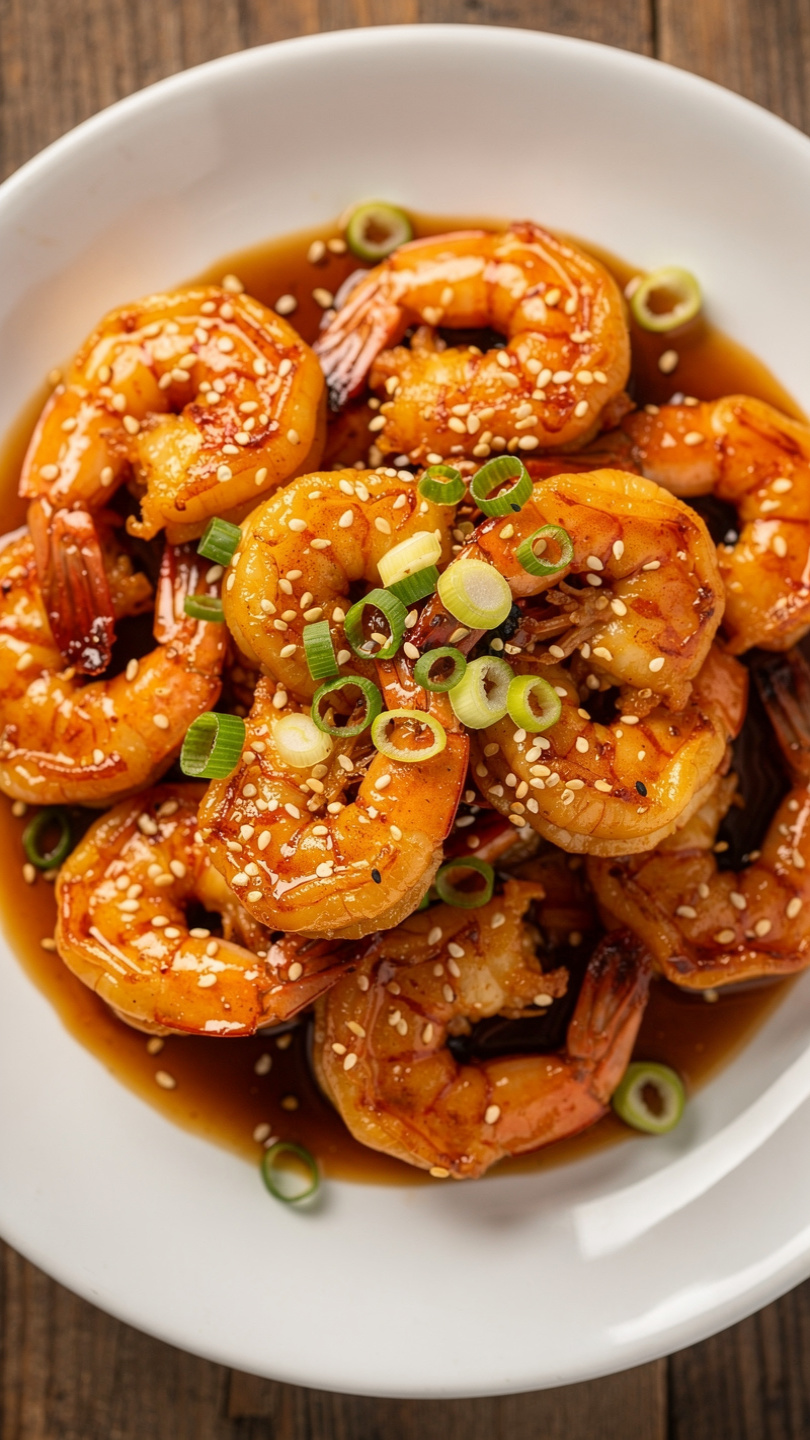
Gochujang Honey Shrimp
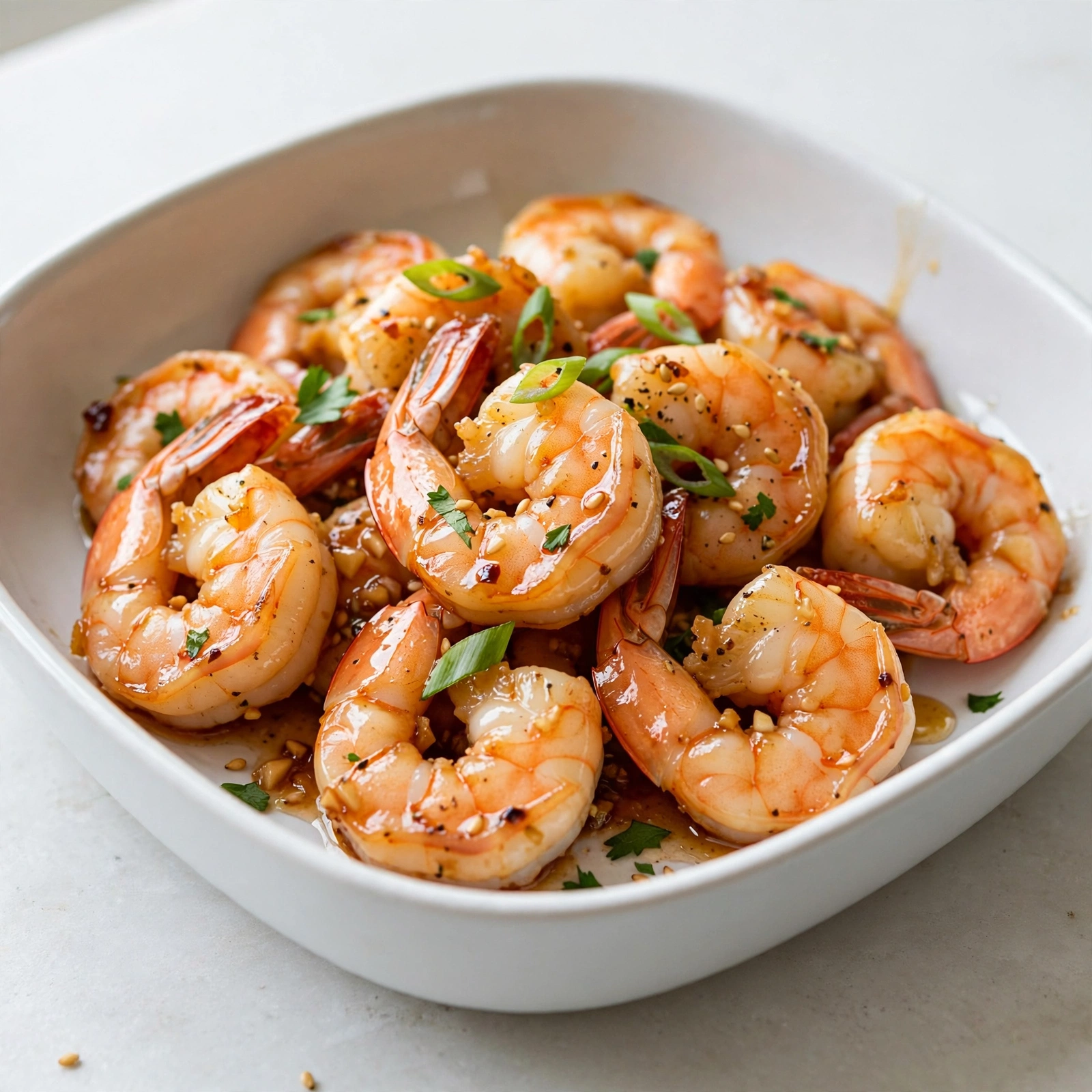
This Gochujang Honey Shrimp is a bold, sticky, sweet-and-spicy Asian shrimp dish ready in under 30 minutes. Crispy fried shrimp tossed in a fiery gochujang glaze makes this one of the most unique shrimp recipes you will ever taste.

The Sweet-Spicy Asian Shrimp Dish You Have Been Missing
If you have been sleeping on gochujang as a pantry staple, this recipe is about to change everything. Gochujang Honey Shrimp brings together the deep, fermented heat of Korean red chili paste and the floral sweetness of honey in a glossy, sticky glaze that clings to every single shrimp. It is bold. It is fast. And it is the kind of unique shrimp recipe that earns a permanent spot in your weeknight dinner rotation.
This dish sits somewhere between a classic Asian fried shrimp recipe and a Korean-style glaze you would find at a buzzy fusion restaurant, but it comes together in your kitchen in under 30 minutes. Whether you are familiar with gochujang dishes or just starting to explore things to make with gochujang, this is one of the most accessible and rewarding places to start.
Getting the best results here comes down to two things: quality gochujang paste and dry, well-coated shrimp. Using a trusted brand of gochujang and a good heavy-bottomed skillet or wok makes a noticeable difference in the final glaze and sear.
Why This Recipe Works So Well
The magic of this dish is all in the balance. Gochujang brings fermented depth, smoky undertones, and a slow-building heat that you simply cannot replicate with regular hot sauce. Honey softens that intensity and creates the sticky lacquer effect on the shrimp. Soy sauce adds savory backbone, rice vinegar brightens everything up, and a finishing drizzle of sesame oil ties it together with a nutty, toasty warmth.
Coating the shrimp in cornstarch before frying is a technique borrowed from Chinese shrimp dinner recipes like Hunan shrimp. It creates a thin, crispy shell that soaks up the sauce without turning soggy. The result is shrimp that are tender inside, lightly crisp outside, and absolutely drenched in that gorgeous glaze.
Chef's Tip: The single most important step is drying your shrimp thoroughly before dredging. Wet shrimp will steam instead of sear, and you will lose that beautiful golden crust. Use paper towels and press firmly.
Choosing the Right Shrimp
For Asian shrimp dishes like this one, large or extra-large shrimp work best (21 to 30 count per pound). They hold up to the high heat, stay juicy inside, and give you a satisfying bite against the sticky glaze. Frozen shrimp is perfectly fine here and is often fresher than what sits in the seafood case at the market. Just thaw them overnight in the fridge or under cold running water before cooking.
Leaving the tails on is a personal preference. Tails look stunning on a platter and add a little presentation drama, but removing them makes the dish easier to eat over rice. Either way works beautifully.
The Gochujang Honey Sauce Breakdown
This sauce is genuinely one of the most versatile things you will make. Here is what goes in and why:
- Gochujang paste: Fermented heat and depth. The star of the show.
- Honey: Sweetness and that signature sticky glaze texture.
- Soy sauce: Savory, umami richness that grounds the whole sauce.
- Rice vinegar: A bright acid note that keeps the sauce from feeling heavy.
- Sesame oil: Added off heat to preserve its delicate, nutty aroma.
- Fresh garlic and ginger: Aromatic base that blooms in the hot pan before the sauce goes in.
Warning: Do not add sesame oil directly to a very hot pan. Its smoke point is low and its flavor degrades quickly with high heat. Stir it into the sauce before adding, so it heats gently rather than burning.
What to Serve With Gochujang Honey Shrimp
This is a Chinese shrimp dinner style dish at heart, so steamed jasmine rice is the natural partner. The sticky glaze pools into the rice in the best possible way. Here are a few other serving ideas that work just as well:
- Steamed or fried rice for a classic pairing
- Lo mein or rice noodles to lean into Asian fried shrimp recipe territory
- Crispy lettuce cups for a lighter, fresh contrast
- Cucumber salad or quick-pickled vegetables to cool the heat
- Steamed broccoli or bok choy to round out the meal
A sprinkle of toasted sesame seeds and a shower of fresh green onions are non-negotiable as garnish. They add crunch, freshness, and color that make the whole plate pop.
Ready to bring this incredible gochujang dish to your table? Here is the complete recipe with every detail you need:
Gochujang Honey Shrimp
This Gochujang Honey Shrimp is a bold, sticky, sweet-and-spicy Asian shrimp dish ready in under 30 minutes. Crispy fried shrimp tossed in a fiery gochujang glaze makes this one of the most unique shrimp recipes you will ever taste.
Ingredients
- 1 1/2 lb large shrimp, peeled and deveined, tails on or off
- 1/2 cup cornstarch, for dredging
- 1/2 tsp salt
- 1/4 tsp black pepper, freshly ground
- 3 tbsp neutral oil, vegetable or avocado oil, divided
- 2 tbsp gochujang paste, Korean red chili paste
- 3 tbsp honey, raw or clover honey
- 1 1/2 tbsp soy sauce, low sodium preferred
- 1 tbsp rice vinegar
- 1 tsp sesame oil, toasted
- 4 garlic cloves, minced
- 1 tsp fresh ginger, grated
- 3 green onions, thinly sliced, for garnish
- 1 tsp sesame seeds, toasted, for garnish
Instruction
Pat the shrimp completely dry with paper towels. Season with salt and black pepper, then toss in cornstarch until each shrimp is evenly and lightly coated. Shake off any excess.
In a small bowl, whisk together the gochujang paste, honey, soy sauce, rice vinegar, and sesame oil until smooth. Set the sauce aside.
Heat 2 tablespoons of the neutral oil in a large skillet or wok over medium-high heat until shimmering. Add the shrimp in a single layer and cook for 1 to 2 minutes per side until golden and just cooked through. Work in batches if needed to avoid crowding the pan. Transfer cooked shrimp to a plate.
Reduce heat to medium. Add the remaining 1 tablespoon of oil to the same pan. Add the minced garlic and grated ginger and cook for 30 to 45 seconds, stirring constantly, until fragrant.
Pour the gochujang honey sauce into the pan and stir to combine with the garlic and ginger. Let it bubble and reduce for about 60 to 90 seconds until slightly thickened.
Return the shrimp to the pan and toss everything together until each piece is fully glazed and coated. Cook for an additional 30 seconds.
Transfer to a serving platter, garnish with sliced green onions and toasted sesame seeds, and serve immediately over steamed rice or noodles.
Equipment
- Large skillet or wok
- Small mixing bowl
- Whisk
- Tongs or spatula
- Paper towels
- Microplane or box grater
Notes
Storing, Reheating, and Making It Your Own
Leftovers keep in the fridge for up to 2 days in a sealed container. Reheat gently in a skillet with a small splash of water to loosen the glaze back up. The shrimp foods magic is best experienced fresh, but day-two leftovers tucked into a rice bowl with a fried egg on top are genuinely excellent.
Want to dial up the heat? Add a pinch of gochugaru (Korean chili flakes) or a drizzle of chili crisp over the finished dish. Want it milder? Pull the gochujang back to 1 tablespoon and add a bit more honey. This recipe is forgiving and scales easily for a crowd.
Once you make this once, you will understand why gochujang has earned such a devoted following. It is one of those ingredients that transforms a simple shrimp dinner into something that genuinely surprises people, and keeps them coming back for seconds.