Mongolian Beef: Tender Sliced Beef in a Savory, Sticky Asian Sauce
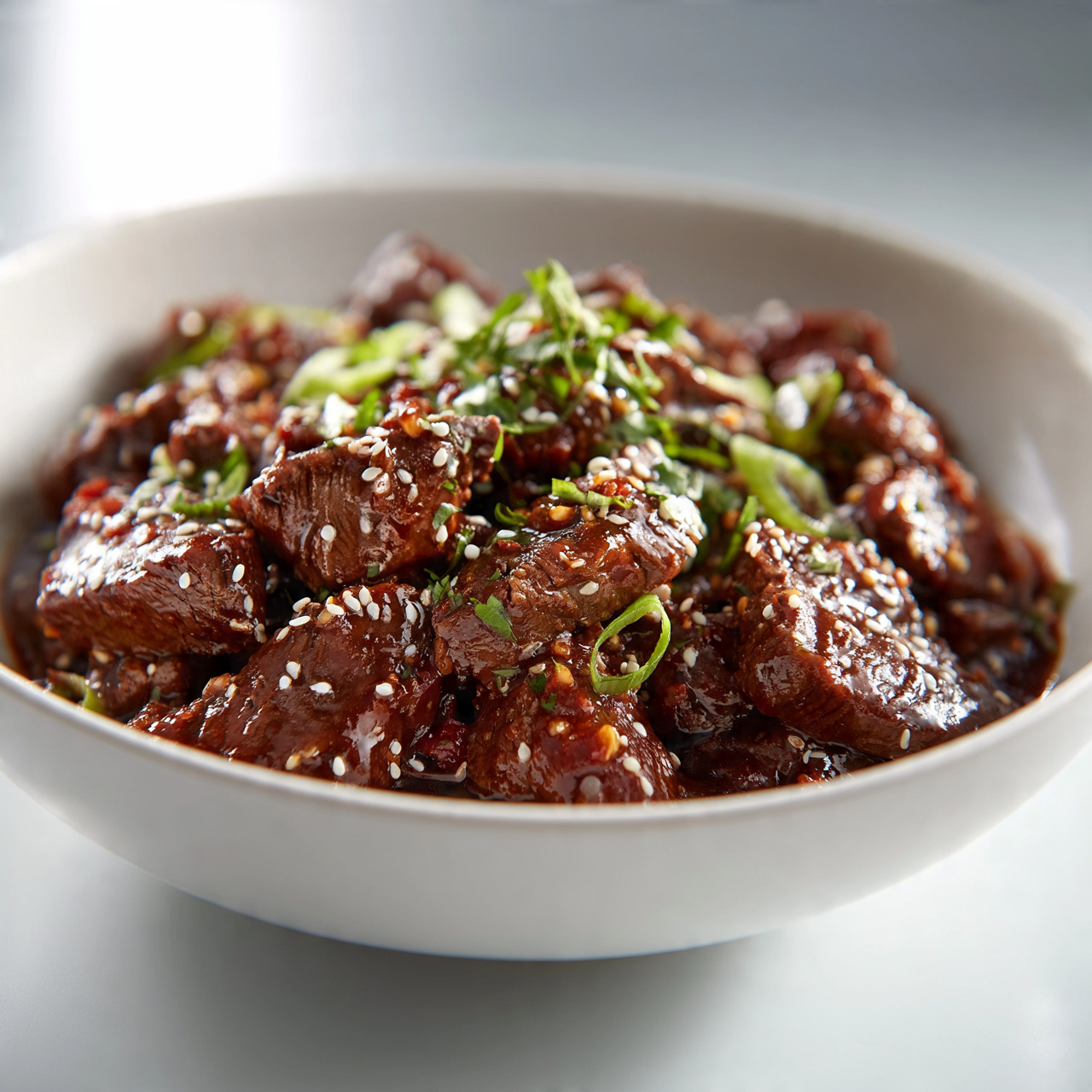
This Mongolian Beef recipe delivers tender, crispy-edged sliced beef tossed in a rich, garlicky soy sauce with sweet caramelized edges and fresh green onions. Better than takeout and ready in under 30 minutes.

The Sticky, Savory Asian Beef Dinner You Will Make on Repeat
If you have ever ordered Mongolian Beef at a restaurant and thought, I need to figure out how to make this at home, this is your moment. This recipe gives you tender, paper-thin sliced beef with lightly crispy edges, all wrapped in a deeply savory, slightly sweet soy and garlic sauce that clings to every single piece. Piled over fluffy steamed rice, it is the kind of Asian beef dinner that makes the whole kitchen smell incredible and disappears from the table in minutes.
Despite its name, Mongolian Beef is not actually from Mongolia. It is an American-Chinese restaurant classic, and its genius lies in the sauce: bold with garlic, rounded with brown sugar, and just complex enough to feel like it took all day. It did not. You are about 30 minutes away from one of the best beef rice bowls you have ever made at home.
What Makes This Recipe Work
There are a few things that separate a truly great Mongolian Beef from a mediocre one, and they are all worth understanding before you start cooking.
The cornstarch coating is non-negotiable. Tossing the beef in cornstarch before searing does two things: it creates that signature slightly crispy exterior, and it naturally thickens the sauce once the beef is tossed back in. Do not skip it, and do not rinse it off.
Dry beef equals crispy beef. Before you coat your flank steak, pat it aggressively dry with paper towels. Moisture is the enemy of a good sear. Wet beef steams in the pan and you lose that gorgeous caramelized crust.
High heat, small batches. Crowding the pan is the number one mistake people make with this style of Asian beef stir-fry. Cook in two batches over screaming-hot heat and you will get the sear you are after.
Chef's Tip: Freeze your flank steak for 20 to 30 minutes before slicing. A slightly firm steak is dramatically easier to cut into thin, even strips against the grain.
The Right Tools Make All the Difference
For a proper Asian beef stir-fry, a good wok or a wide, heavy-bottomed skillet is the single most important piece of equipment. The high, sloped sides of a wok allow you to toss the beef and sauce without spilling, and the intense heat retention creates the slightly charred, restaurant-quality flavor known as wok hei. A microplane grater for the fresh ginger is also worth having on hand.
Ingredients Worth Talking About
This is a recipe where a few quality ingredient choices make a real difference.
- Flank steak is the classic choice for braised beef with green onions and stir-fry dishes because its loose, long grain structure slices beautifully thin and soaks up sauce without turning chewy.
- Low-sodium soy sauce is strongly recommended here. The sauce reduces and concentrates, and regular soy sauce can tip into overpoweringly salty territory quickly.
- Fresh ginger and fresh garlic are not optional. Pre-minced jarred versions will work in a pinch, but the brightness of fresh aromatics is a defining part of what makes this dish taste vibrant rather than flat.
- Hoisin sauce adds a layer of fermented sweetness and complexity that elevates this beyond a basic soy-sugar glaze. Just one tablespoon makes a noticeable difference.
- Green onions are more than a garnish here. They are added at the end for a reason: that brief 30-second toss keeps them bright, slightly grassy, and a little crisp, which balances the richness of the sauce beautifully.
How to Serve Mongolian Beef
This is made to be served over steamed white rice, and that is genuinely the best base for soaking up the glossy sauce. Jasmine rice is a natural fit with its subtle floral note.
If you want to round out the meal, consider these additions:
- Steamed or stir-fried broccoli tossed right into the wok at the end
- Baby bok choy halved and seared alongside the beef batches
- Cucumber sesame salad on the side for something cool and refreshing
- Crispy wonton strips scattered over the top for texture
For a lower-carb version, cauliflower rice or a simple bowl of stir-fried vegetables work wonderfully as a base.
Variations to Try
Once you have the base recipe down, this dish is endlessly riffable.
Spicy Mongolian Beef: Double the red pepper flakes and add a drizzle of chili garlic sauce to the pan with the aromatics.
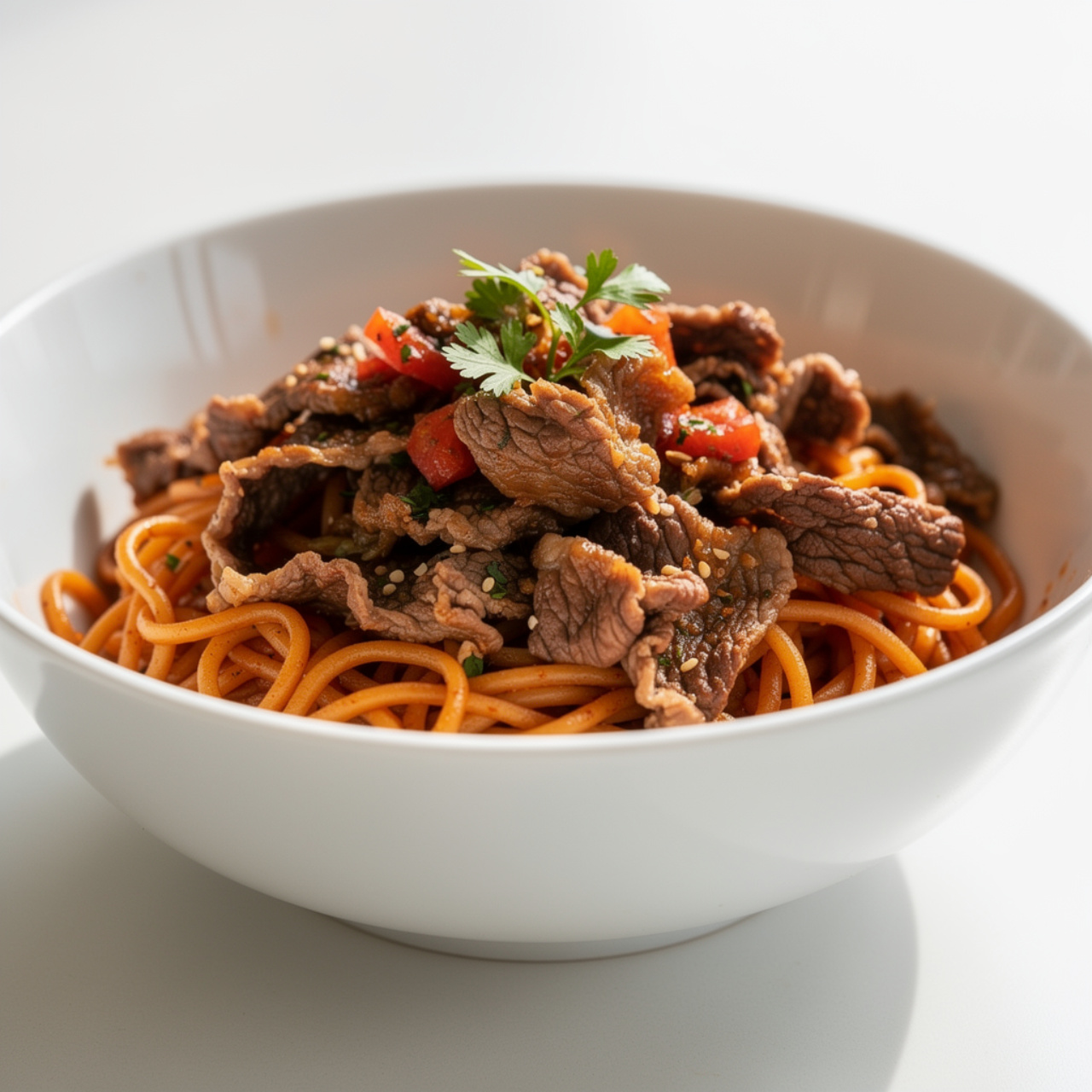
Mongolian Beef Noodles: Toss the sauced beef with cooked lo mein or udon noodles instead of rice for a Japanese beef stir-fry with rice noodle variation that is equally satisfying.
Vegetable-Forward Version: Add thinly sliced bell peppers and snap peas with the green onions at the end for color, crunch, and extra nutrition.
Ready to bring this one to the table? Here is the full recipe with everything you need:
Mongolian Beef: Tender Sliced Beef in a Savory, Sticky Asian Sauce
This Mongolian Beef recipe delivers tender, crispy-edged sliced beef tossed in a rich, garlicky soy sauce with sweet caramelized edges and fresh green onions. Better than takeout and ready in under 30 minutes.
Ingredients
- 1 1/2 lb flank steak, sliced thin against the grain
- 3/8 cup cornstarch, for coating the beef
- 3 tbsp vegetable oil, divided, for frying
- 5 garlic cloves, minced
- 1 tsp fresh ginger, freshly grated
- 1/2 cup low-sodium soy sauce, low-sodium recommended
- 1/2 cup water
- 1/2 cup brown sugar, packed, light or dark both work
- 1 tbsp hoisin sauce, adds depth and a subtle sweetness
- 1/2 tsp red pepper flakes, optional, for heat
- 6 green onions, cut into 2-inch pieces, green parts only
- 1 tsp toasted sesame seeds, for garnish
- 4 cups cooked white rice, for serving
Instruction
Pat the sliced flank steak completely dry with paper towels. This is essential for getting a crispy sear rather than steaming the beef.
Place the dried beef strips in a large bowl and toss with the cornstarch until every piece is evenly coated. Let it sit for 10 minutes while you prepare the sauce.
In a small saucepan over medium heat, combine the soy sauce, water, brown sugar, hoisin sauce, and red pepper flakes. Stir until the sugar dissolves completely, about 2 to 3 minutes. Remove from heat and set aside.
Heat 2 tablespoons of vegetable oil in a large wok or heavy skillet over high heat until shimmering and just beginning to smoke.
Working in two batches to avoid crowding the pan, add the cornstarch-coated beef in a single layer. Sear for 1 to 2 minutes per side without moving, until the edges are deep golden brown and crispy. Transfer to a plate and repeat with remaining beef.
Reduce heat to medium-high. Add the remaining 1 tablespoon of oil to the wok. Add the minced garlic and grated ginger and stir-fry for 30 seconds until fragrant.
Pour the prepared sauce into the wok and bring it to a simmer. Let it cook for 2 to 3 minutes, stirring, until it thickens slightly and coats the back of a spoon.
Return all the seared beef to the wok and toss to coat every piece in the glossy sauce. Add the green onion pieces and toss for 30 seconds just to wilt them slightly.
Remove from heat. Serve immediately over steamed white rice and finish with toasted sesame seeds.
Equipment
- Large wok or heavy-bottomed skillet (12-inch or larger)
- Small saucepan
- Large mixing bowl
- Sharp chef's knife and cutting board
- Tongs or wooden chopsticks
- Paper towels
- Fine grater or microplane for ginger
Notes
Storing and Reheating
Leftovers store well in an airtight container in the refrigerator for up to 4 days. The flavors actually deepen overnight, making next-day lunch genuinely exciting.
To reheat, skip the microwave if you can. A quick toss in a hot skillet with a splash of water brings the sauce back to life and keeps the beef from turning rubbery. Serve over freshly cooked rice for best results.
This dish is not well suited to freezing once assembled, as the cornstarch coating can become gummy after thawing. If you want to meal prep ahead, freeze the raw coated beef portions separately and make the sauce fresh when ready to cook.