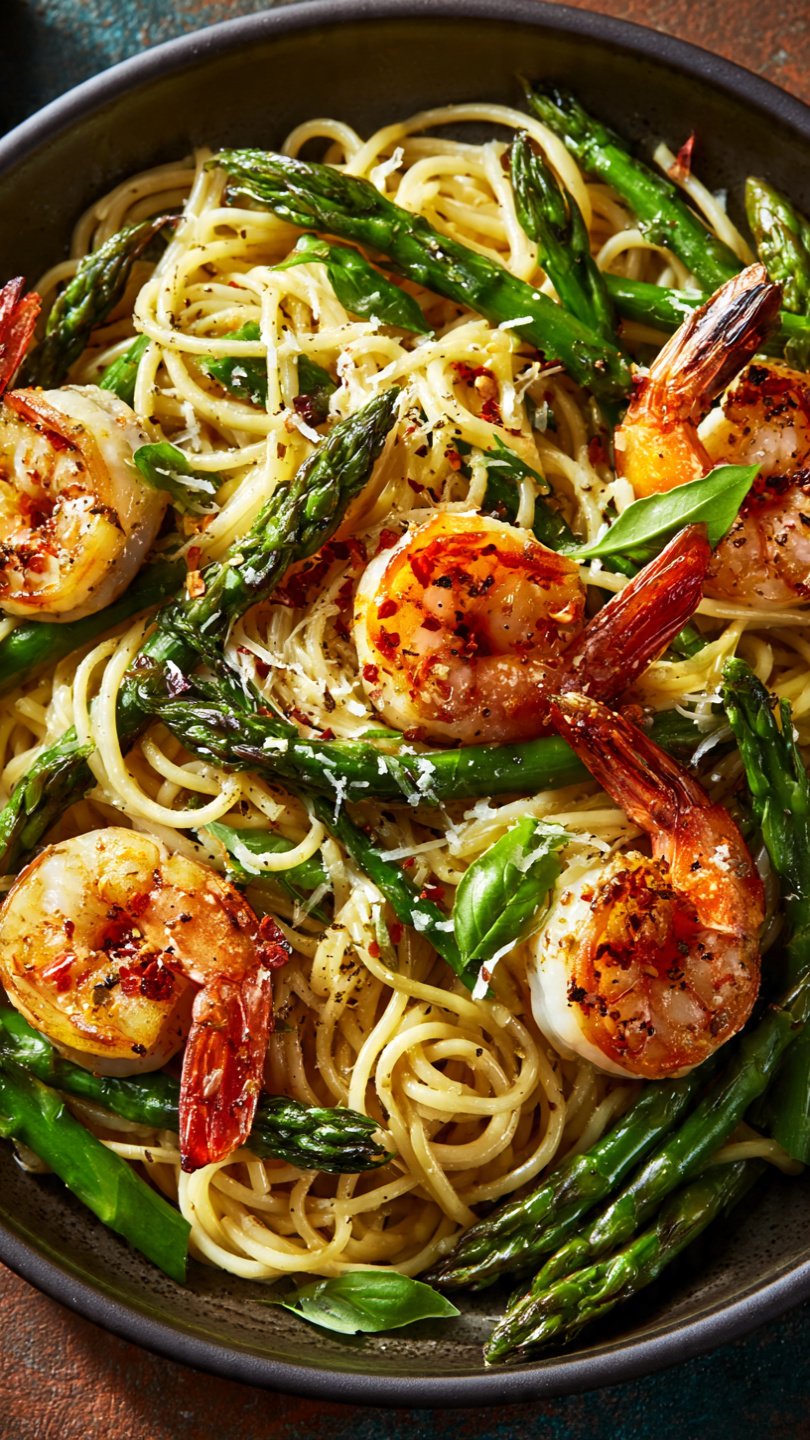
Shrimp Asparagus Pasta with Zesty Lemon Garlic Sauce
This shrimp asparagus pasta is a light yet satisfying weeknight dinner packed with juicy shrimp, fresh asparagus, and cherry tomatoes in a bright lemon garlic sauce. Ready in under 30 minutes and bursting with flavor.

The Shrimp Asparagus Pasta You Will Make on Repeat
Some dinners just have that magical quality where everything comes together fast, tastes incredible, and makes you feel like you actually know what you are doing in the kitchen. This shrimp asparagus pasta is exactly that recipe. Tender shrimp, crisp-tender fresh asparagus, bursting cherry tomatoes, and a zesty lemon garlic sauce all tossed with perfectly cooked pasta. It is the kind of meal that feels restaurant-worthy but lands on the table in under 30 minutes.
Whether you are cooking for a weeknight family dinner or impressing a guest, this shrimp pasta checks every box: healthy shrimp packed with lean protein, vibrant vegetables, a bright and punchy sauce, and zero need for complicated technique.
Why This Recipe Works
This is not just another shrimp pasta. A few thoughtful decisions make it stand out:
- The sear matters. Cooking the shrimp first in a screaming hot pan gives them golden edges and a slightly sweet, caramelized flavor that poaching in sauce never achieves.
- Asparagus gets its moment. Rather than tossing raw asparagus into the sauce to overcook, it is sauteed separately so it stays bright green and just tender-crisp. Fresh asparagus deserves that respect.
- The zesty sauce is built in one pan. White wine, garlic, butter, lemon zest and juice all combine in the same skillet you cooked everything else in. All those browned bits from the shrimp and asparagus dissolve into the sauce and make it taste deeply savory.
- Pasta water is your secret weapon. A splash of starchy cooking water helps the sauce cling to every strand of pasta rather than sliding to the bottom of the bowl.
The Right Tools and Ingredients Make a Difference
For a quick saute like this one, a wide, heavy skillet is essential. You need enough surface area to sear the shrimp properly without crowding the pan, and enough depth to toss everything together at the end. A good microplane zester also transforms how much lemon flavor you can pull into the sauce without adding extra liquid.
Choosing Your Shrimp and Asparagus
Getting the Shrimp Right
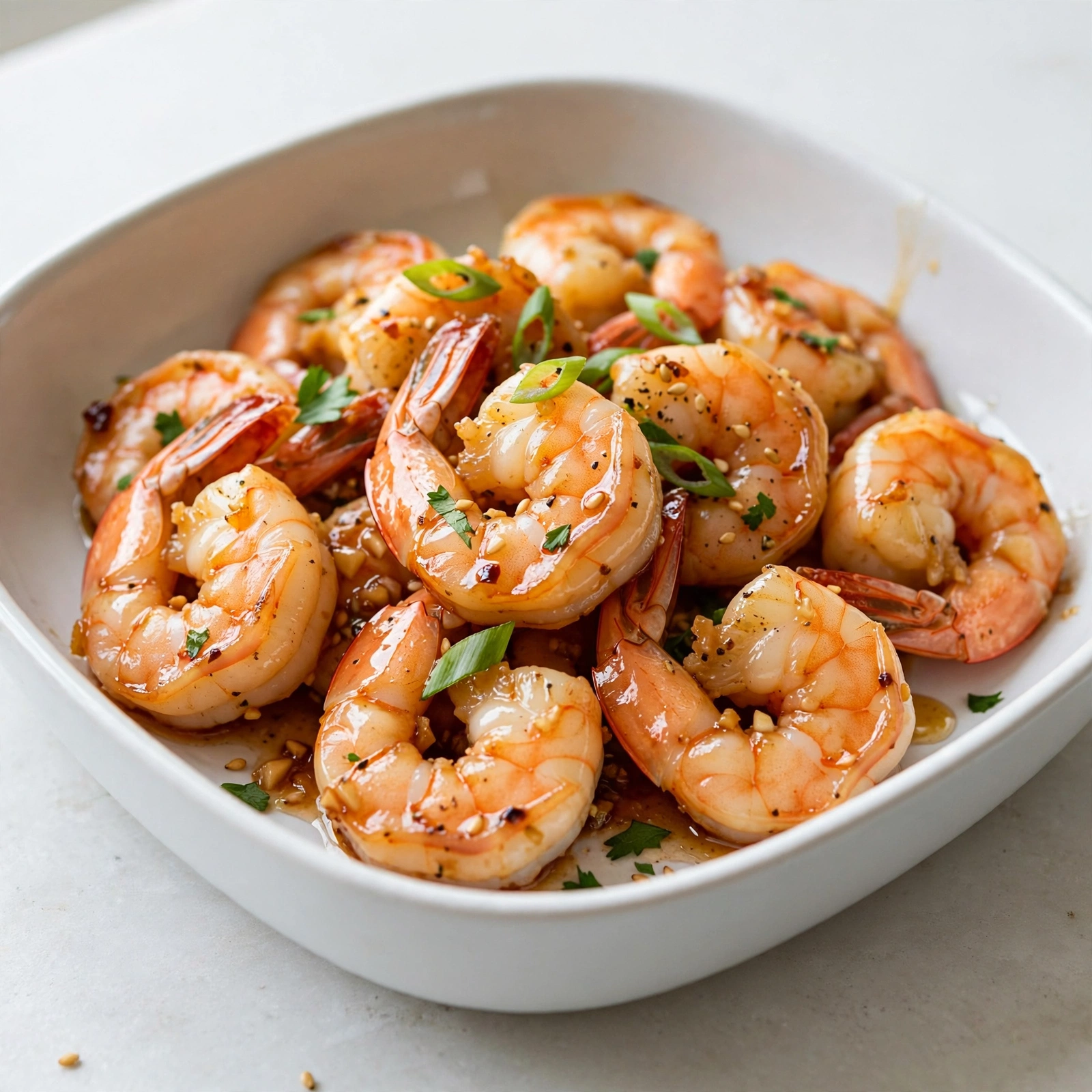
For the best shrimp pasta, go with large or extra-large shrimp, sized 16/20 or 21/25 per pound. They are meaty enough to stand up to the bold garlic sauce and stay juicy in the center. Fresh or frozen both work beautifully here, so do not stress if all you have on hand is a bag from the freezer.
Chef's Tip: The number one mistake with shrimp is overcooking. They go from perfect to rubbery in about 60 seconds. Pull them off the heat the moment they curl into a C shape and turn opaque. They will finish cooking from residual heat when you toss them back in at the end.
Picking Fresh Asparagus
Look for firm, bright green stalks with tightly closed tips. Thinner stalks tend to cook faster and stay more tender in this dish, but medium thickness works just as well. Avoid anything limp or with wrinkled skin. Fresh asparagus prepared correctly is one of the great pleasures of this recipe, so do not settle for tired produce if you can help it.
How to Cook Pasta Like a Pro
Great shrimp and asparagus deserve great pasta. A few rules that actually matter:
- Salt the water aggressively. It should taste pleasantly salty, like a light broth. This is your only chance to season the pasta from the inside out.
- Cook it al dente, which means it should still have the faintest bite in the center. It will finish cooking briefly in the sauce.
- Save the pasta water before you drain. Seriously, keep a measuring cup right next to the stove. It is easy to forget and impossible to replace once the pasta is in the colander.
Linguine and spaghetti are classic here, but penne, rigatoni, or even farfalle all work wonderfully with this zesty sauce.
Building the Sauce
Once the asparagus is sauteed and the garlic is fragrant, the sauce comes together in minutes. The white wine deglazes the pan and adds a clean acidity that balances the richness of the butter. The cherry tomatoes soften into jammy little bursts of sweetness. And the lemon juice and zest at the end bring everything into sharp, bright focus.
This is ultimate comfort food that somehow also feels light and fresh. The combination of shrimp and asparagus with this kind of zesty sauce is one of those pairings that simply makes sense.
Chef's Tip: If the sauce looks too thick after adding the pasta, add reserved pasta water one tablespoon at a time. If it looks too thin, let it bubble over medium heat for 60 seconds. You have full control.
Ready to bring it all together? Here is the full recipe:
Shrimp Asparagus Pasta with Zesty Lemon Garlic Sauce
This shrimp asparagus pasta is a light yet satisfying weeknight dinner packed with juicy shrimp, fresh asparagus, and cherry tomatoes in a bright lemon garlic sauce. Ready in under 30 minutes and bursting with flavor.
Ingredients
- 12 oz linguine or spaghetti, or pasta of choice
- 1 lb large shrimp, peeled and deveined, tails on or off
- 1 lb fresh asparagus, woody ends trimmed, cut into 2-inch pieces
- 1 cup cherry tomatoes, halved
- 5 garlic cloves, minced
- 3 tbsp extra virgin olive oil, divided
- 2 tbsp unsalted butter
- 1 lemon, zested and juiced
- 3/8 cup dry white wine, or chicken broth
- 1/2 tsp red pepper flakes, adjust to taste
- 1 tsp kosher salt, plus more for pasta water
- 1/2 tsp black pepper, freshly ground
- 1/4 cup fresh parsley, roughly chopped, for garnish
- 1/2 cup Parmesan cheese, freshly grated, plus more for serving
- 1/2 cup reserved pasta water, set aside before draining
Instruction
Bring a large pot of heavily salted water to a boil. Cook the pasta according to package directions until al dente. Before draining, scoop out about 1/2 cup of pasta water and set aside. Drain and set the pasta aside.
While the pasta cooks, pat the shrimp completely dry with paper towels and season with salt, black pepper, and a pinch of red pepper flakes.
Heat 2 tablespoons of olive oil in a large skillet or saute pan over medium-high heat. Add the shrimp in a single layer and cook for 1 to 2 minutes per side until pink and just opaque. Do not overcook. Transfer to a plate and set aside.
In the same skillet, add the remaining 1 tablespoon of olive oil over medium heat. Add the asparagus pieces and cook for 3 to 4 minutes, tossing occasionally, until bright green and just tender-crisp.
Add the minced garlic and red pepper flakes to the pan and cook for 30 seconds until fragrant, stirring constantly so the garlic does not burn.
Pour in the white wine and let it simmer for 1 to 2 minutes, scraping up any browned bits from the bottom of the pan.
Add the cherry tomatoes and butter. Stir gently and cook for 2 minutes until the tomatoes begin to soften and the butter melts into the sauce.
Add the drained pasta to the skillet and toss to coat. Pour in the reserved pasta water a splash at a time until the sauce is silky and clings to the noodles.
Return the cooked shrimp to the pan. Add the lemon juice, lemon zest, and grated Parmesan. Toss everything together over low heat for 1 minute.
Taste and adjust seasoning. Serve immediately topped with fresh parsley and extra Parmesan.
Equipment
- Large pot for boiling pasta
- Large skillet or saute pan (12-inch recommended)
- Colander
- Tongs
- Microplane or zester
- Measuring cups and spoons
- Cutting board and sharp knife
Notes
Serving, Storing, and Variations
How to Serve It
Serve this shrimp pasta immediately with a generous shower of freshly grated Parmesan, extra red pepper flakes if you like heat, and a few sprigs of fresh parsley. A wedge of crusty bread on the side to soak up the remaining sauce is never a bad idea.
Storing Leftovers
Transfer any leftovers into an airtight container and refrigerate for up to 2 days. Reheat gently in a skillet with a splash of water or broth. The pasta will absorb the sauce as it sits, so a little added liquid helps bring it back to life.
Easy Variations to Try
- Make it dairy-free: Skip the butter and Parmesan and finish with a generous drizzle of good olive oil.
- Add more vegetables: Zucchini, spinach, or peas all play nicely in this dish alongside the asparagus.
- Go gluten-free: Swap in your favorite gluten-free pasta and the recipe works exactly the same way.
- Turn up the heat: Double the red pepper flakes and add a pinch of smoked paprika to the shrimp seasoning for a bolder, spicier version.