Homemade Shrimp Stock From Shells (Easy Shrimp Broth Recipe)
Learn how to make rich, flavorful shrimp stock from shrimp shells in under an hour using simple pantry ingredients. This easy homemade shrimp broth adds incredible depth to soups, risottos, bisques, and more.

Stop Throwing Away Your Shrimp Shells
If you have been peeling shrimp and tossing those shells straight into the trash, you have been throwing away pure liquid gold. Shrimp shells are packed with briny, sweet, oceaney flavor, and transforming them into a rich homemade shrimp stock is one of the smartest, most rewarding things you can do in a home kitchen.
This easy shrimp stock recipe turns what most people treat as food scraps into a deeply flavorful base for homemade shrimp soup, creamy bisques, silky risottos, fragrant paellas, and coastal pasta sauces. It takes less than an hour from start to finish, uses ingredients you likely already have, and the results are incomparably better than anything that comes in a carton.
Why Homemade Shrimp Broth Is Worth Making
Store-bought seafood stock exists, but it rarely delivers the same warmth and depth as a broth you made yourself from real shells. When you toast those shells in a hot pan before simmering them, something magical happens. The heat triggers a Maillard reaction that transforms the shells from mild and raw to nutty, caramelized, and intensely savory.
Here is what you get with a homemade shrimp broth recipe that you simply cannot get from a box:
- A cleaner, more natural flavor with no preservatives or added MSG
- Control over sodium, which matters enormously when you are reducing a sauce or building a bisque
- A richer, more golden color thanks to the shell-toasting step
- Zero waste cooking that stretches every dollar you spend on seafood
Once you taste the difference, you will never go back to the carton.
Having the right tools for straining and storing your stock makes the whole process faster and cleaner. A fine mesh strainer is non-negotiable for a clear, beautiful broth, and good freezer-safe containers mean your stock is always ready when you need it.
How To Make Shrimp Stock From Shrimp Shells
The technique here is simple and forgiving. The most important rule is this: keep the simmer gentle. A hard rolling boil will make your stock cloudy and pull bitter compounds from the shells. Low and slow wins every time.
Toasting the Shells
This is the step most homemade shrimp broth recipes skip, and it is the one that matters most. Dry heat in a hot pan drives off moisture and concentrates the flavor compounds in the shells. You want them to go pink and slightly brown in spots before you add anything else to the pot.
Chef's Tip: If you can get shrimp with the heads still on, use them. Shrimp heads contain a concentrated pocket of fat and flavor that makes a noticeably richer, more restaurant-quality stock.
Building the Flavor Base
After the shells are toasted, you add your aromatics. Onion, carrot, celery, and garlic are the classic foundation. A spoonful of tomato paste stirred in and allowed to cook for a minute before the liquid goes in adds both a rosy hue and a subtle savory sweetness that rounds out the brininess of the shells beautifully.
A splash of dry white wine is optional but genuinely recommended. It brightens the whole broth and adds a layer of complexity that makes people lean in and wonder what that flavor is.
Simmering Low and Slow
Once the liquid goes in, your job is mostly to leave it alone. Thirty to thirty-five minutes at a barely bubbling simmer is all you need. Unlike beef or chicken stock, shrimp stock does not benefit from long cooking times. Simmer it too long and it can turn slightly bitter. Keep it under 45 minutes and you will have a sweet, clean, deeply savory broth.
What To Use Shrimp Stock For
Once you know how to make shrimp stock from shrimp shells, the real fun begins. Here are the best uses for shrimp stock:
- Shrimp bisque or chowder as the main liquid base
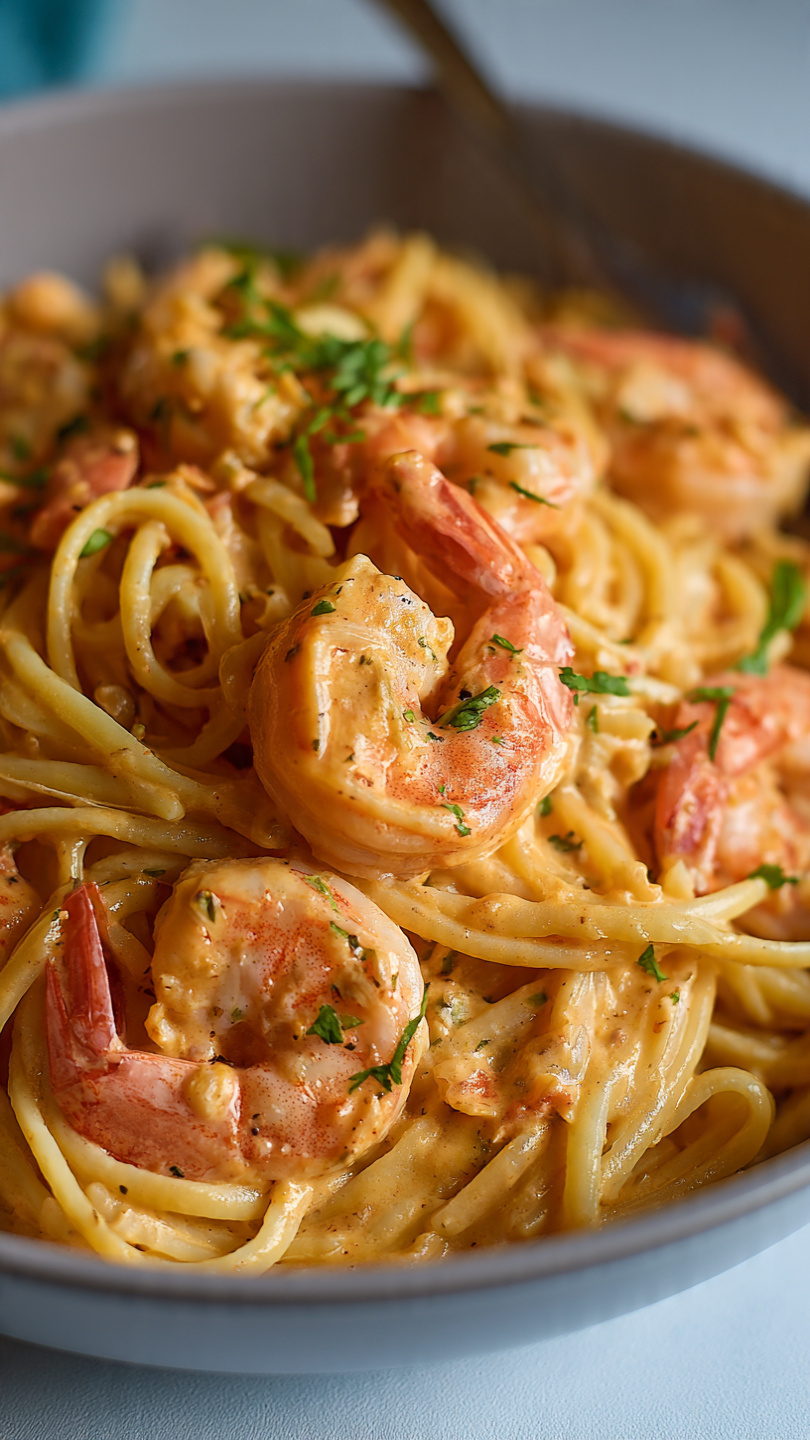
- Seafood risotto, replacing the chicken stock entirely
- Paella, where it adds an authentic coastal depth
- Pasta sauces with clams, mussels, or scallops
- Braising liquid for fish fillets or crab cakes
- Ramen or noodle soups as a light but flavorful broth
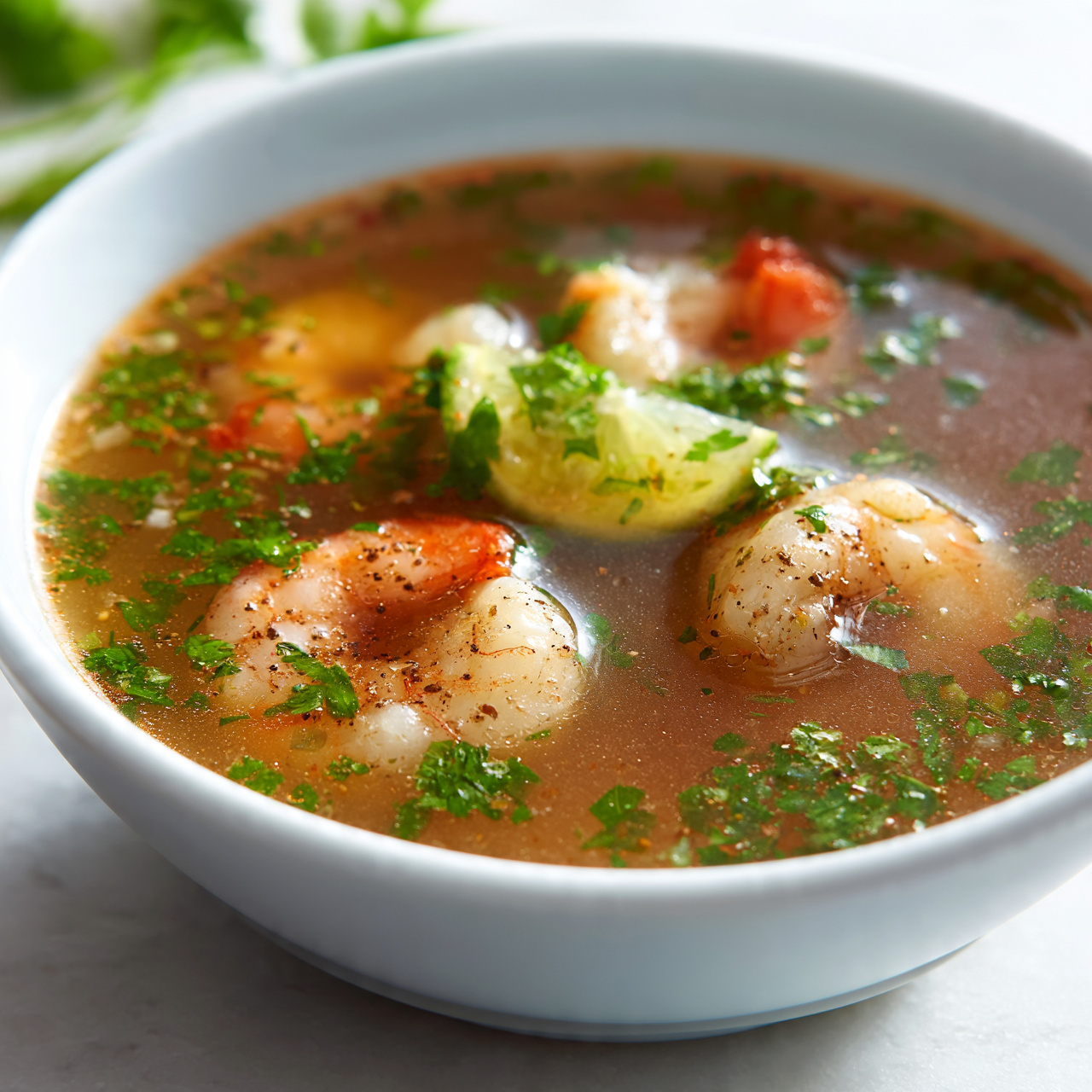
Any homemade shrimp soup recipe that calls for water or chicken stock becomes instantly more special when you swap in this broth instead.
Here is everything you need to make it, step by step:
Homemade Shrimp Stock From Shells (Easy Shrimp Broth Recipe)
Learn how to make rich, flavorful shrimp stock from shrimp shells in under an hour using simple pantry ingredients. This easy homemade shrimp broth adds incredible depth to soups, risottos, bisques, and more.
Ingredients
- 2 cups shrimp shells, from about 1 lb of shrimp, heads included if available
- 1 tbsp olive oil, extra virgin
- 1 yellow onion, roughly chopped, skin on is fine
- 2 celery stalks, roughly chopped
- 1 medium carrot, roughly chopped
- 3 garlic cloves, smashed, unpeeled
- 1 tbsp tomato paste, optional but adds richness and color
- 1/2 cup dry white wine, optional, substitute with extra water
- 6 cups cold water
- 2 bay leaves
- 1 tsp whole black peppercorns
- 3 fresh thyme sprigs, or 0.5 tsp dried thyme
- 6 fresh flat-leaf parsley stems, stems only are fine, save leaves for garnish
- 1/2 tsp kosher salt, adjust to taste after straining
Instruction
Heat the olive oil in a large stockpot or Dutch oven over medium-high heat. Once shimmering, add the shrimp shells and cook, stirring frequently, for 3 to 4 minutes until they turn pink and fragrant and begin to lightly brown in spots.
Add the onion, celery, carrot, and garlic to the pot. Stir everything together and cook for another 3 to 4 minutes, letting the vegetables soften slightly.
If using tomato paste, push the vegetables to the sides and add it to the center of the pot. Let it cook untouched for 1 minute, then stir it into everything. This step deepens the color and adds savory richness.
Pour in the white wine if using, scraping up any browned bits from the bottom of the pot. Let it cook for 1 to 2 minutes until the alcohol smell softens.
Add the cold water, bay leaves, peppercorns, thyme, parsley stems, and salt. Stir to combine.
Bring the stock to a gentle boil, then immediately reduce the heat to low. Simmer uncovered for 30 to 35 minutes. Do not boil vigorously, as this can make the stock cloudy and slightly bitter.
Remove from heat and let cool for 5 minutes. Pour the stock through a fine mesh strainer set over a large bowl or pot, pressing gently on the solids with the back of a spoon to extract as much liquid as possible. Discard the solids.
Taste the strained stock and adjust salt as needed. Use immediately, refrigerate for up to 4 days, or freeze in airtight containers for up to 3 months.
Equipment
- Large stockpot or Dutch oven
- Fine mesh strainer
- Large bowl or second pot
- Wooden spoon or silicone spatula
- Ladle
- Airtight containers or freezer bags for storage
Notes
Storing and Freezing Your Shrimp Broth
This recipe makes about 4 to 5 cups of finished stock after straining, which is the perfect amount for most soup or pasta recipes. If you make a large batch, portion it into 1-cup or 2-cup freezer containers so you can pull exactly what a recipe needs without thawing more than necessary.
Freezing in an ice cube tray first and then transferring the frozen cubes to a zip-close bag is a brilliant trick for small amounts. Each cube is roughly 2 tablespoons, making it easy to add a quick hit of shrimp flavor to sauces and stir-fries straight from frozen.
Storage Note: Seafood-based stocks turn faster than chicken or vegetable stock in the fridge. Always smell your broth before using refrigerated stock after day 3, and when in doubt, freeze it instead.
Now that you know exactly how to make shrimp stock, save those shells in a zip-close bag in the freezer every time you peel shrimp. Once the bag is full, you are 45 minutes away from something truly delicious.